Articles of user GM4PRO

← GM4PRO

Treasure trove of 1600-year-old gold coins discovered in wall

Treasure trove of 1600-year-old gold coins discovered in wall

GM4PRO
56250 0
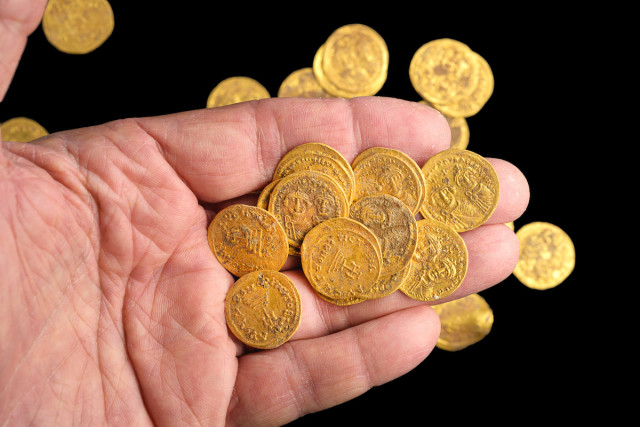
A buried hoard of dozens of gold coins has been discovered at an archaeological excavation site near the ancient city of Banias in northern Israel. They date from the Muslim conquest of the region in the 7th century and represent a unique insight into the transitional period after the end of the Roman Empire.
Perfectly preserved gagate jewellery in a Bronze Age burial mound
Perfectly preserved gagate jewellery in a Bronze Age burial mound

GM4PRO
6699 2
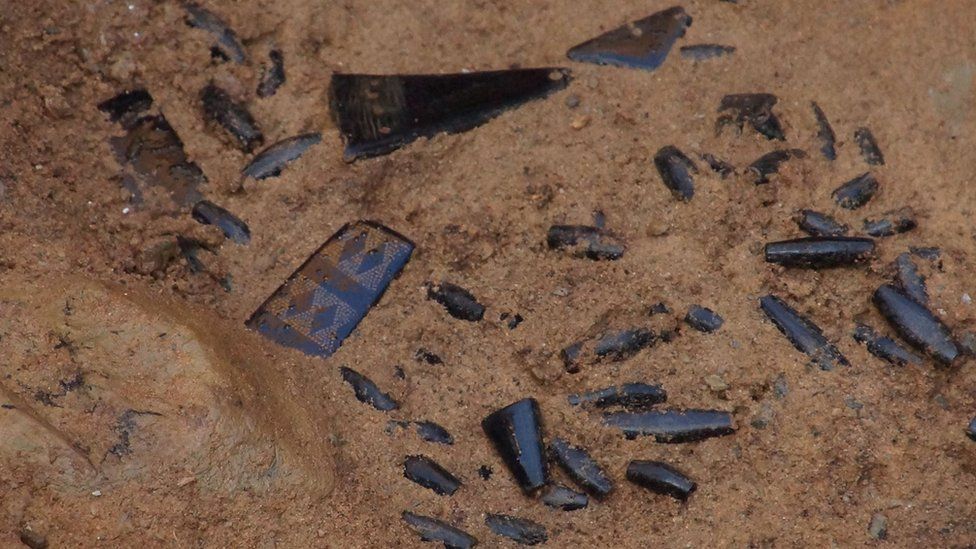
A unique, beautifully crafted 4,000-year-old necklace was discovered during an archaeological dig on the Isle of Man in 2019. The jewellery was made up of 122 black amber beads in seven rows above each other. It has now been declared a treasure and will be displayed for the public to see.
Extremely valuable gold mask pushes knowledge of China's history
Extremely valuable gold mask pushes knowledge of China's history

GM4PRO
145441 5
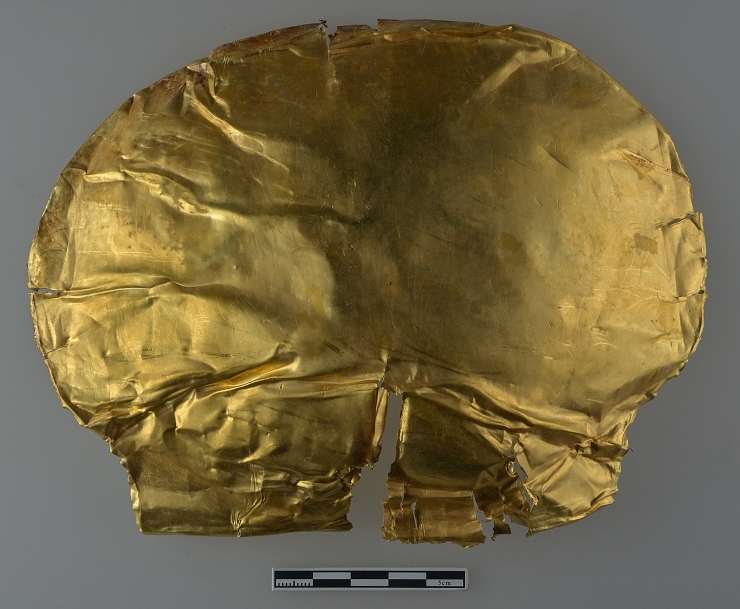
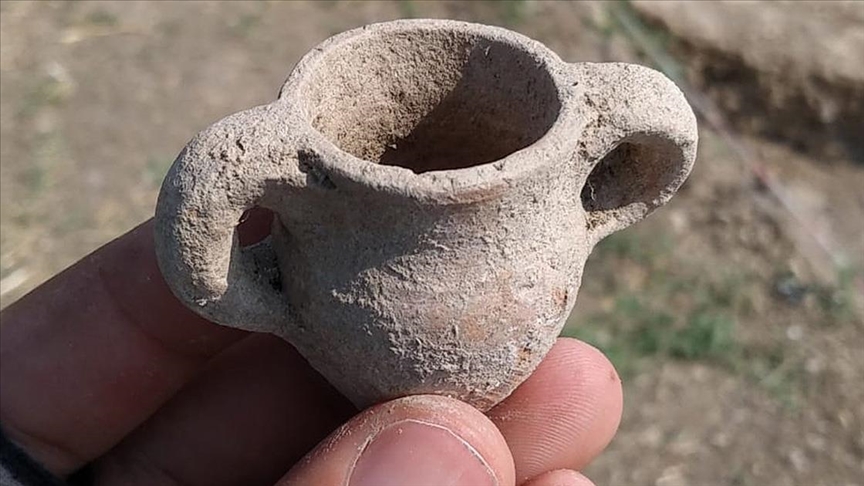
The more than 3,000-year-old gold mask was discovered in a rich nobleman's tomb during an archaeological excavation in Zhengzhou Shang City in central China's Henan Province. It is the first Shang Dynasty gold mask ever discovered and the only full-face mask of its kind.
The first complete Roman writing set has been discovered
The first complete Roman writing set has been discovered

GM4PRO
51326 1
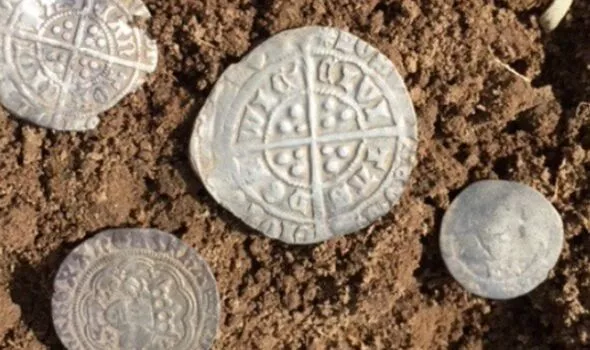
A Roman writing set from the late Roman period was found in Istanbul, Turkey. It is the first complete writing set to survive, with a shallow bowl, a miniature amphora-shaped calamus and a bone pen that still bears traces of red ink. It was used exclusively by civil servants and courtiers.
World's oldest amputation rewrites existing understanding of prehistoric medicine
World's oldest amputation rewrites existing understanding of prehistoric medicine

GM4PRO
139067 0
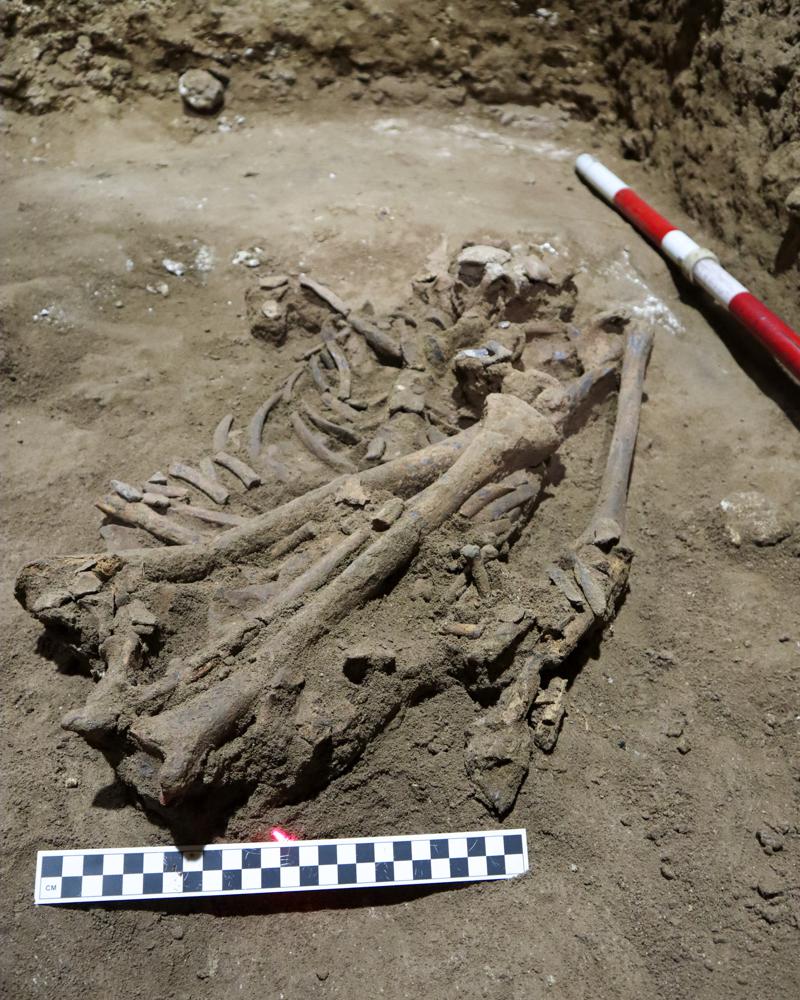
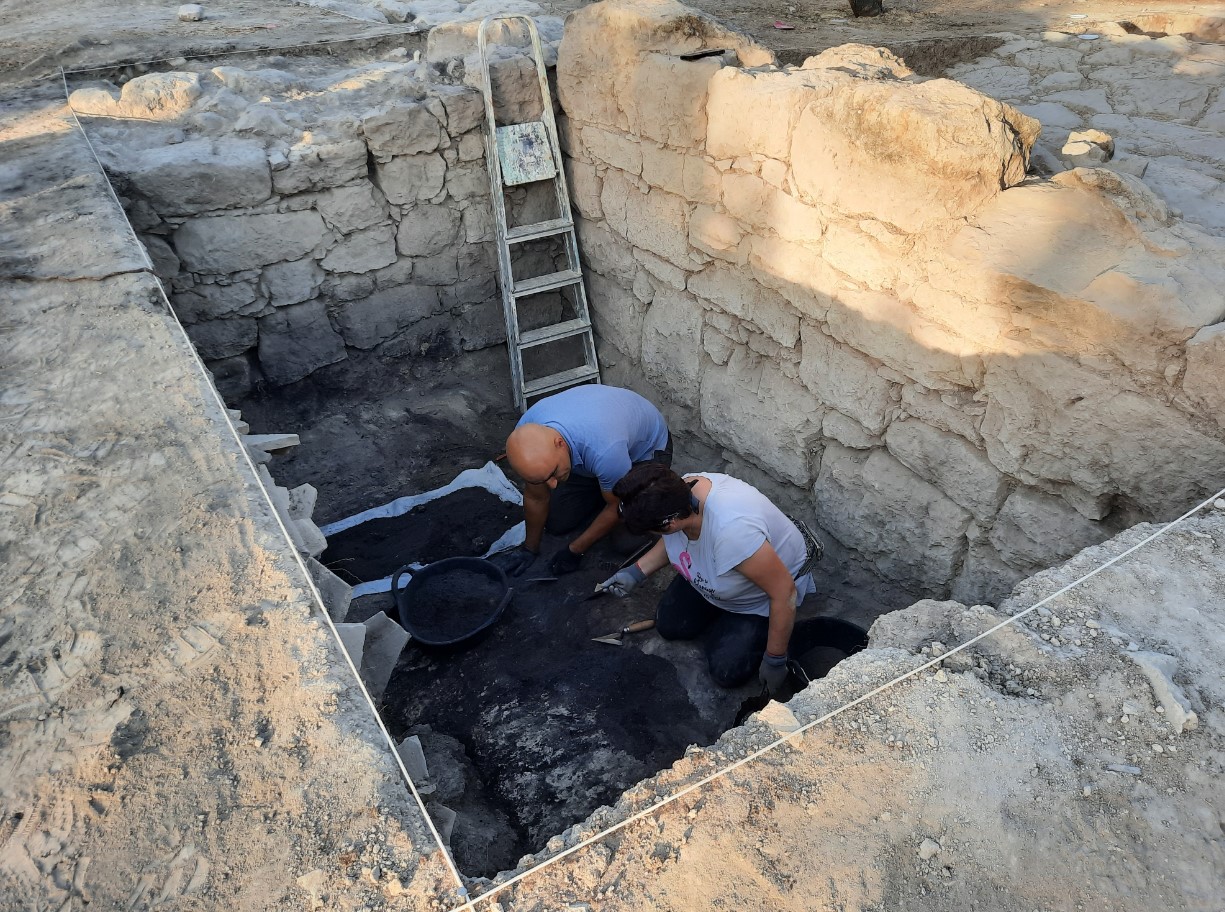
The journal Nature brought a huge sensation: a Neolithic skeleton with a surgically amputated leg was discovered in the Liang Tebo cave on the island of Borneo. It is by far the oldest confirmed surgical amputation, dating back 31,000 years! The previous one was "only" 7,000 years old. The discovery fundamentally changes the scientific view of the development of prehistoric medicine.
The largest Roman penis ever found in Córdoba
The largest Roman penis ever found in Córdoba

GM4PRO
10260 2
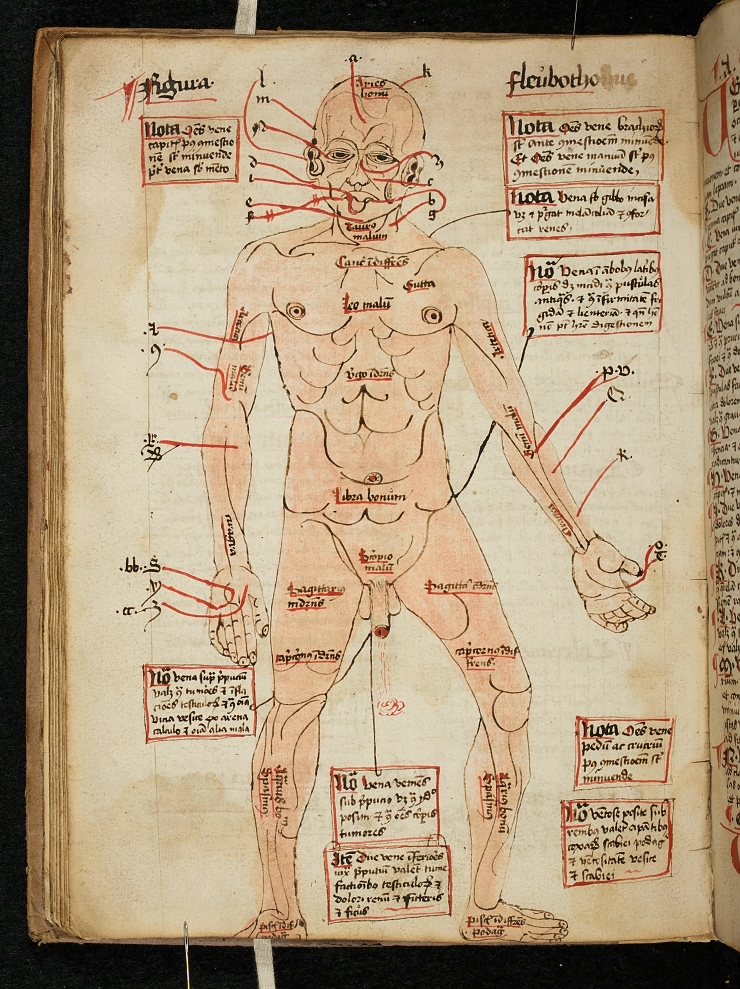
A bas-relief of a phallus over half a metre long has been discovered on the wall of a massive Roman building in Nueva Carteya, Spain. The symbol, believed by the Romans to ward off evil curses and bring good luck, was carved into the front profile of the limestone stone at the base of the tower-like structure. It is one of the largest pyjamas ever discovered in the Roman world, possibly the largest ever, according to archaeologists.
Medieval medicine and prescriptions will be digitized and freely accessible to all

Medieval medicine and prescriptions will be digitized and freely accessible to all

GM4PRO
111360 2
How did medieval physicians use pigeon feces, fox lungs or eel fat? This and much more will be revealed thanks to a new project by the University of Cambridge, which has launched the digitisation and preservation of 180 medieval medical manuscripts from its library collections. More than 8,000 medical prescriptions will be accessible to anyone via the internet. High-resolution scans of the manuscripts will be accompanied by transcripts of the texts with keyword search capabilities and detailed descriptions of the historical context.
Unprecedented find of 6,500 years of gold rings in a Neolithic grave
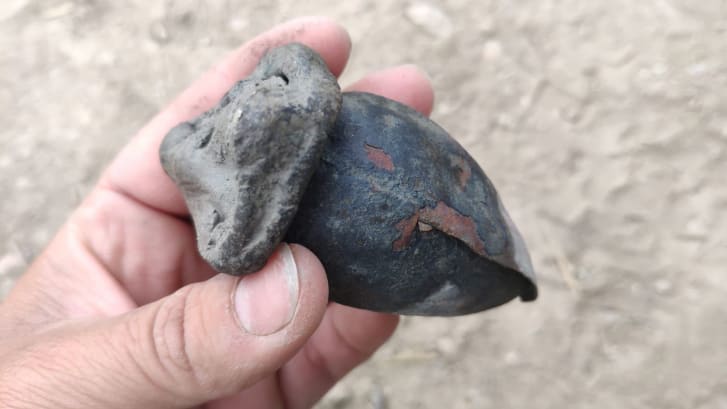
Unprecedented find of 6,500 years of gold rings in a Neolithic grave

GM4PRO
32669 29
Near the city of Oradea in western Romania, a unique set has been discovered that is unparalleled in Europe. During the construction of a new A3 motorway link, workers came across the grave of a Copper Age woman. It contained two gold beads, 800 bone beads, a spiral copper bracelet and above all 169 gold rings.
Archaeologists recover unique ancient objects from Tuscan hot springs

Archaeologists recover unique ancient objects from Tuscan hot springs

GM4PRO
18144 0
San Casciano dei Bagni is one of Italy's top destinations with hot springs that have been visited for over 2,000 years. The present-day town is located just a few metres from the ancient spa complex. Archaeologists have discovered thousands of well-preserved artefacts here. They are revealing new insights into the interconnectedness of the cultures of the time with healing springs and religion.

↑ Back to top + See more

Back to top