Articles of user GM4PRO

← GM4PRO

The Battle of the Bulge in the light of new knowledge thanks to modern technology

The Battle of the Bulge in the light of new knowledge thanks to modern technology

GM4PRO
23331 3
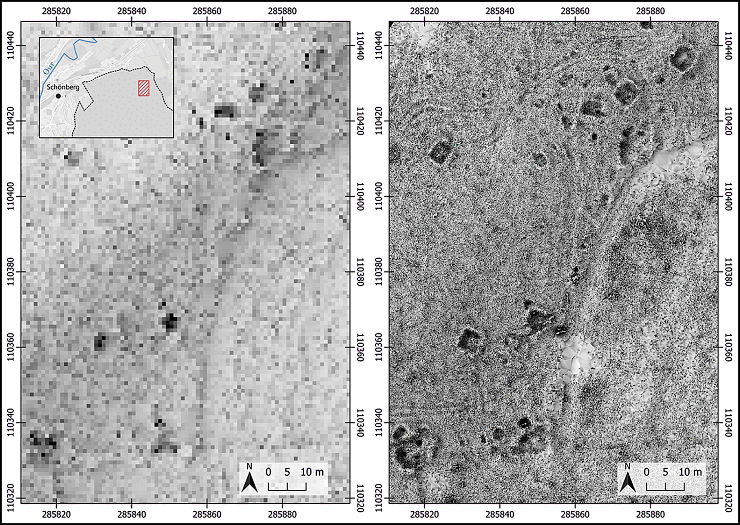
Archaeologists have explored part of the Second World War battlefield in the Ardennes with the help of a drone equipped with a high-resolution lidar device. Thanks to laser imagery, the site, now covered by dense vegetation, has revealed almost 1,000 previously unknown features and for the first time ever, experts were able to study the site comprehensively...
What plants did the bricks contain three thousand years ago? The first ever DNA analysis answered

What plants did the bricks contain three thousand years ago? The first ever DNA analysis answered
GM4PRO
33839 1
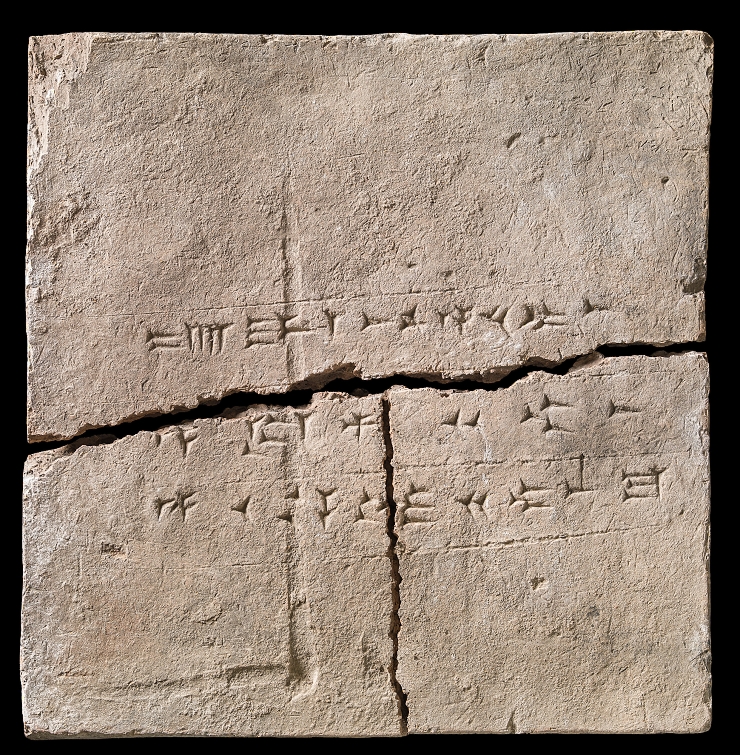
Near the Tigris River at the ancient city of Kalhu (now Nimrudu), a brickmaker once prepared clay bricks for the construction of a new palace for King Ashurnasirpal II. Little did he know that 2,900 years later it would serve as a unique time capsule revealing details of the flora of that specific area and time through the examination of DNA preserved in the brick over thousands of years. Nothing like this had ever been done before.
The 3,000-year-old unique priest's grave is the first of its kind
The 3,000-year-old unique priest's grave is the first of its kind

GM4PRO
68888 0
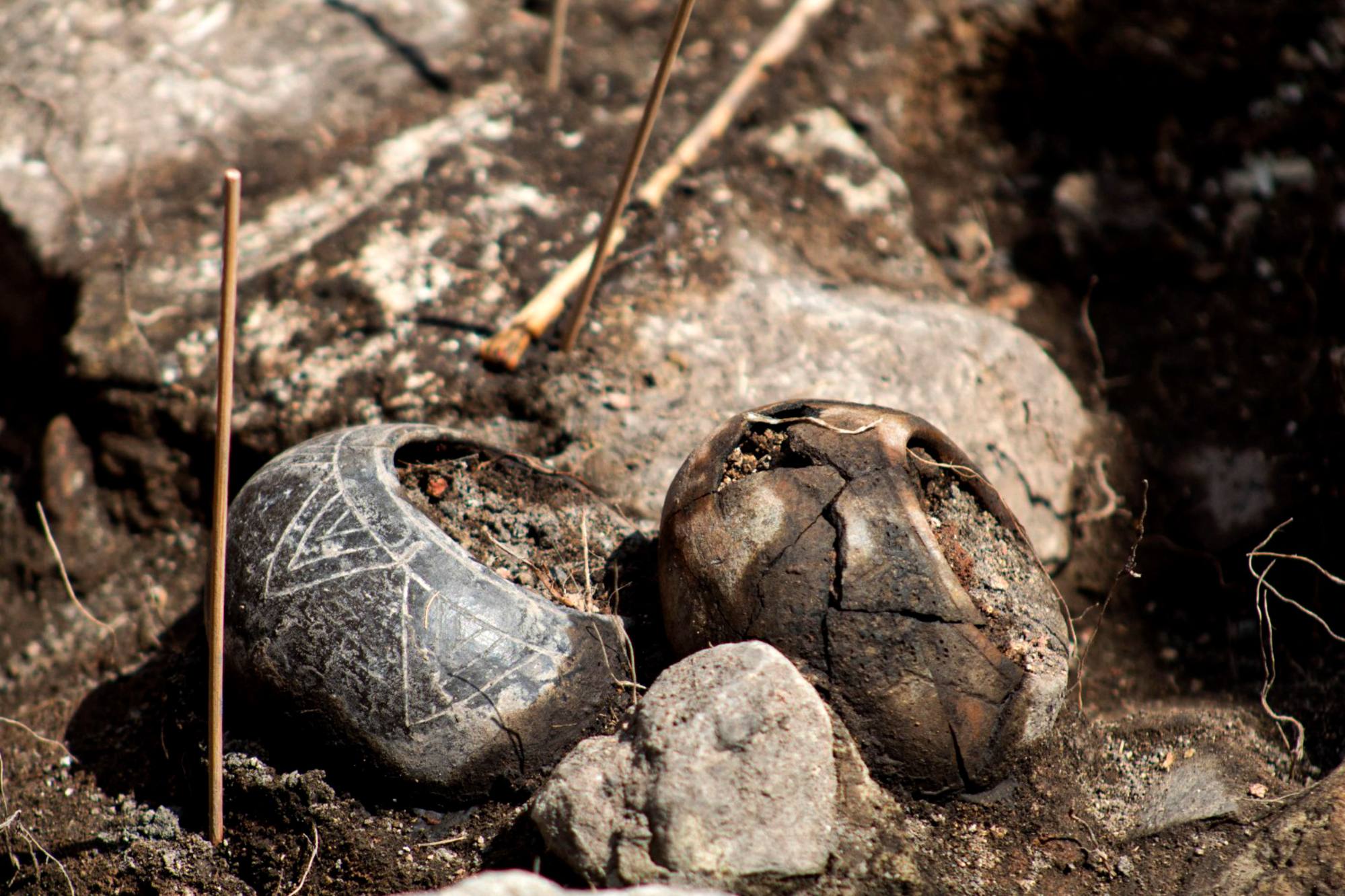
Archaeologists have discovered a 3,000-year-old elite priest's tomb at the Pacopampa archaeological site in the Cajamarca region of northern Peru. Dating back to the Pacopampa I period between 1200 and 1000 BC, it is a quite exceptional find - the deceased was one of the first Andean priests to dominate the north of the country.
Eight-year-old boy finds Roman silver denarius in school sandpit

Eight-year-old boy finds Roman silver denarius in school sandpit

GM4PRO
9186 5
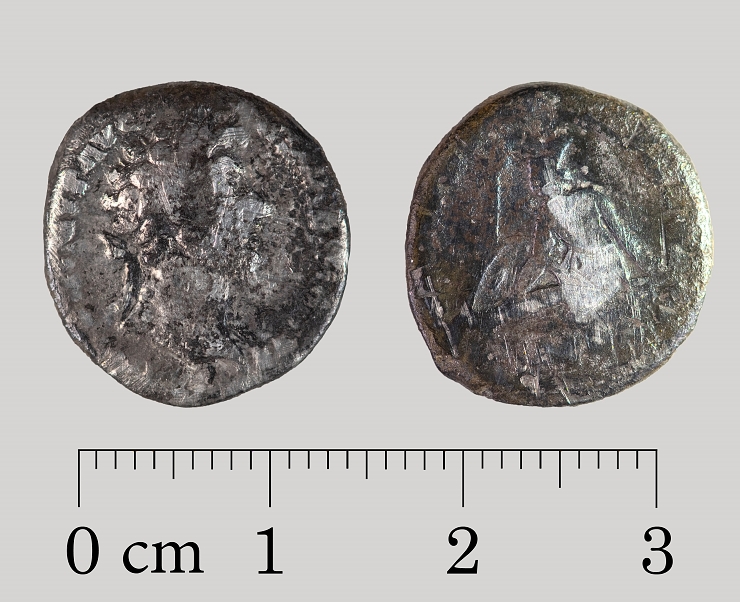
A boy was playing in a sandpit in Bremen when he accidentally discovered a 1,800-year-old Roman coin. Historically, only two other similar coins have been found in the area. So far north of the Roman Empire's borders, this is a relatively rare find.
Archaeologists find 1,300-year-old grave of Frankish warrior with "full field"

Archaeologists find 1,300-year-old grave of Frankish warrior with "full field"

GM4PRO
10772 0
During an archaeological excavation of an early medieval cemetery in Ingelheim, Germany, an intact grave of a Merovingian warrior from the 7th century was discovered with complete armour. He was very lucky; although he lay between two looted graves, his rich equipment remained intact for 1300 years.
Detectorists in collaboration with archaeologists have discovered more medieval silver coins from an ancient hoard
Detectorists in collaboration with archaeologists have discovered more medieval silver coins from an ancient hoard

GM4PRO
12545 2
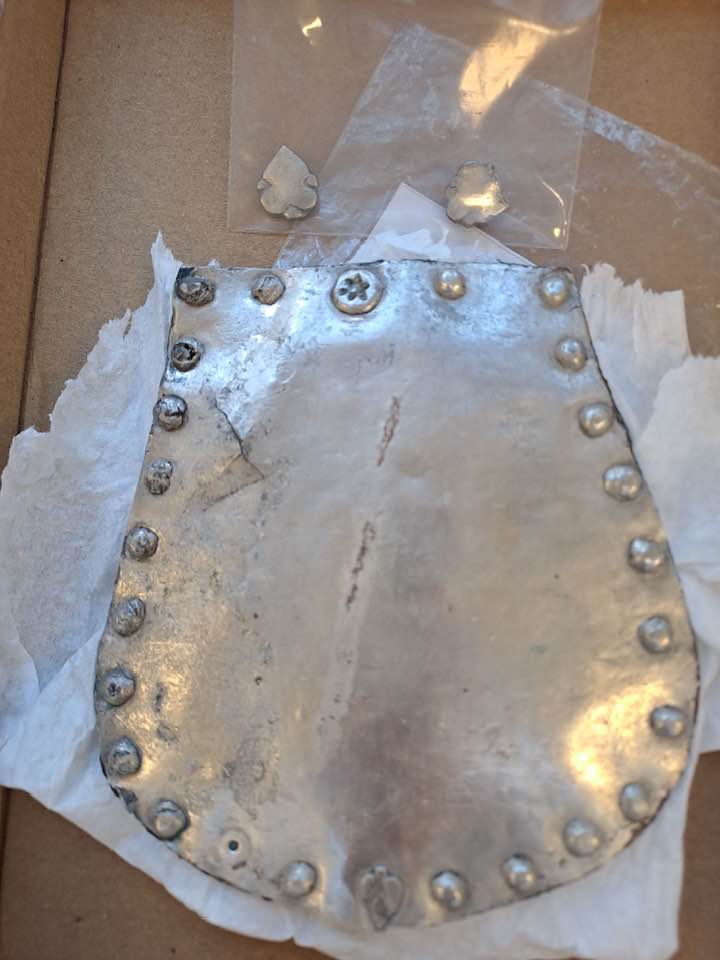
A set of almost 1,000-year-old coins was found on the site of a former medieval fortress in the village of Wiślica in southern Poland. The discovery was made as part of an ongoing revitalisation programme, which includes archaeological work following 60 years of research. The experts worked with the local detectorist association; their work is highly regarded.
Detective finds gold ring; could belong to Sheriff of Nottingham

Detective finds gold ring; could belong to Sheriff of Nottingham

GM4PRO
11294 4
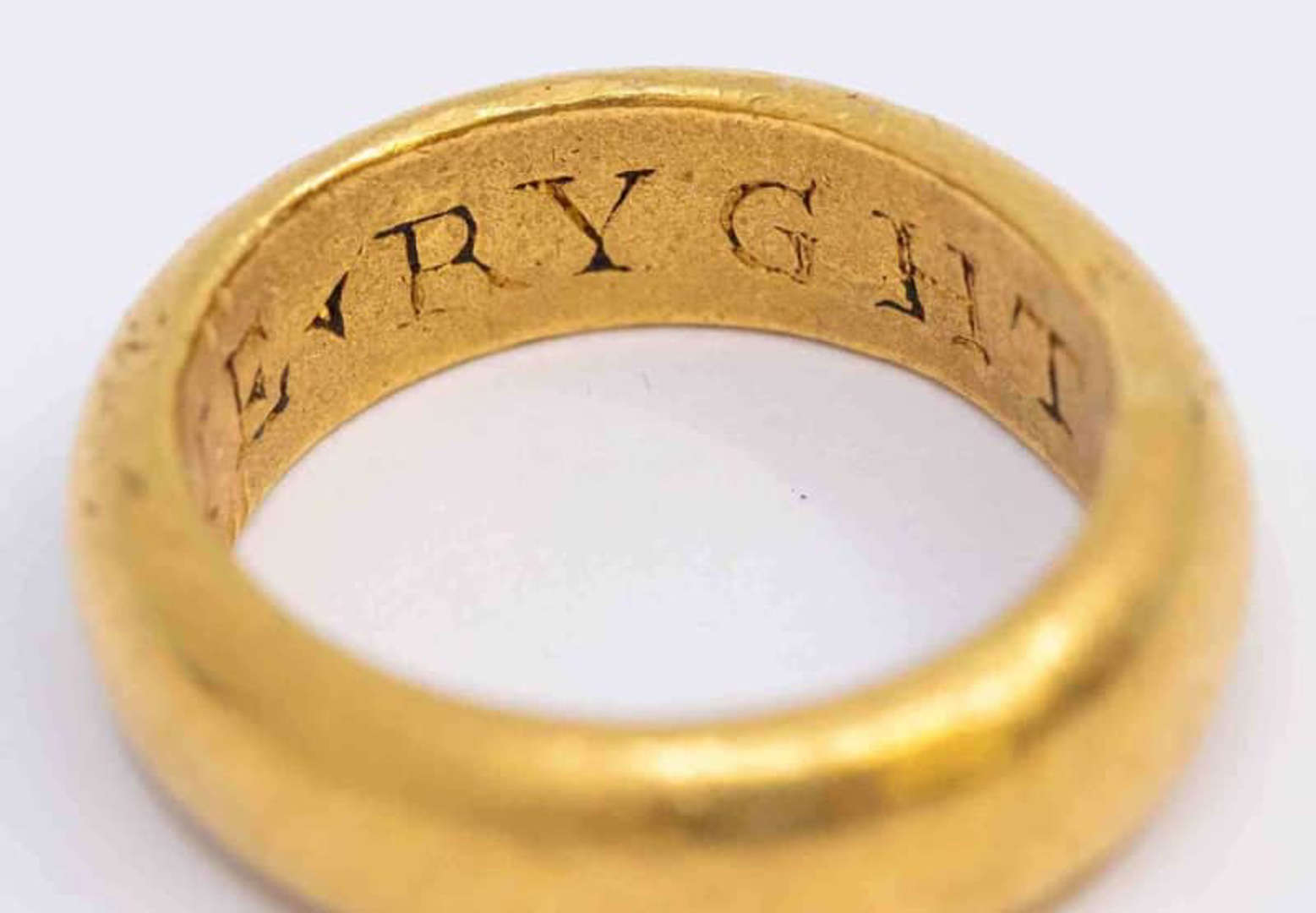
Andy Taylor of Lincoln found the 460-year-old ring three years ago during a club event in a field at Rushcliff, about 40 miles from Sherwood Forest. In the 16th century, rings like this were a popular symbol, used to convey secret messages and declarations of love between the giver and the recipient. Given the circumstances of the find, some experts believe it may have been part of the hoard of the Sheriff of Nottingham or a member of his family.
Ötzi the Ice Man - he looked different and came from somewhere else. A new study disproves previous ideas
Ötzi the Ice Man - he looked different and came from somewhere else. A new study disproves previous ideas

GM4PRO
20866 1
Ötzi's well-preserved body from the Copper Age between 3350 and 3120 BC was discovered by hikers in the Alps near the Austrian-Italian border in 1991. In 2012, the first DNA analysis found genetic traits of steppe herders from Eastern Europe in the mummy's ancestors. But the latest high-quality genetic analysis of DNA sequencing refutes the previous results. Ötzi was much closer to early Anatolian farmers. The study also provides completely different information about Ötzi's appearance.

↑ Back to top + See more

Back to top